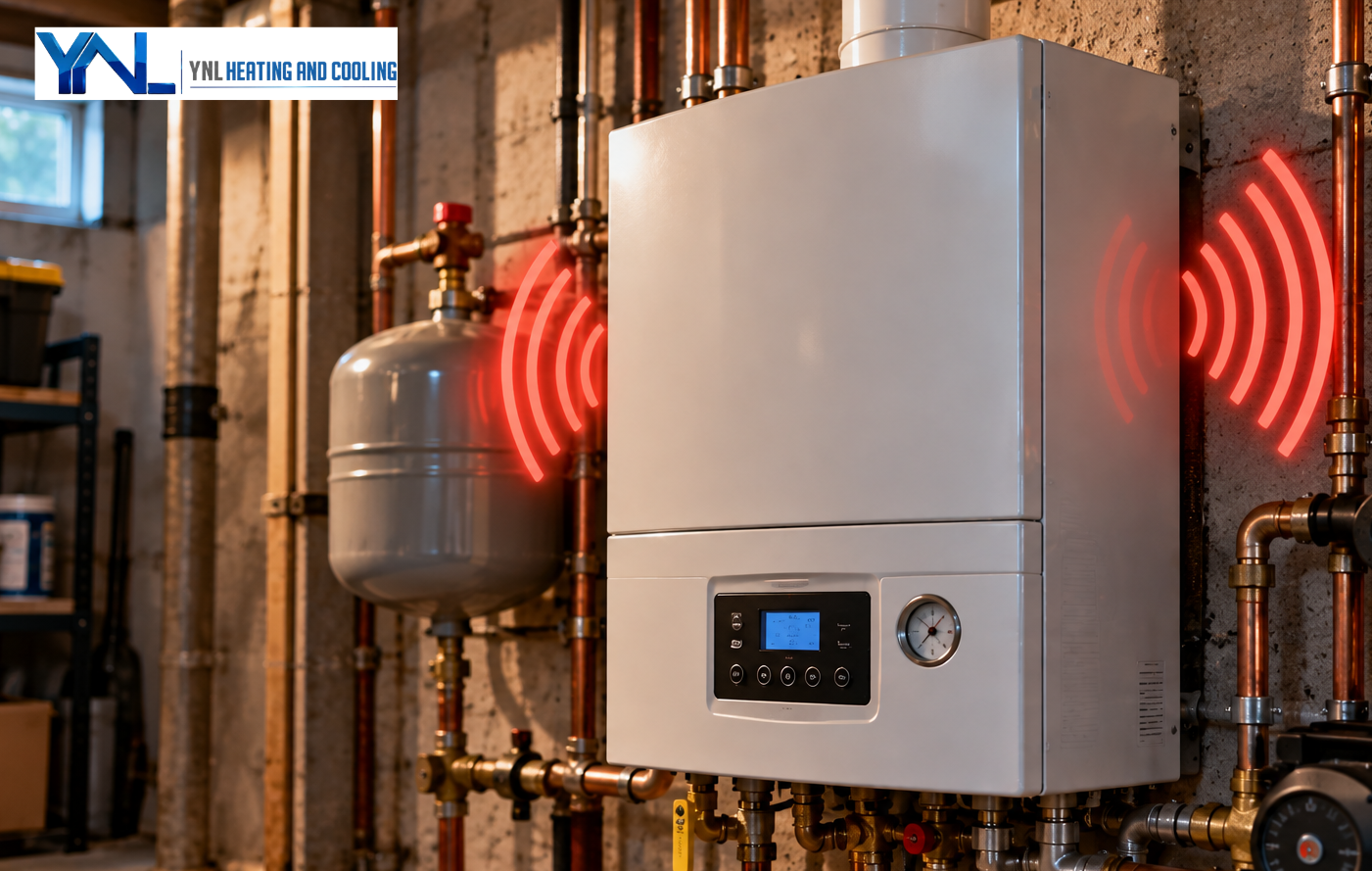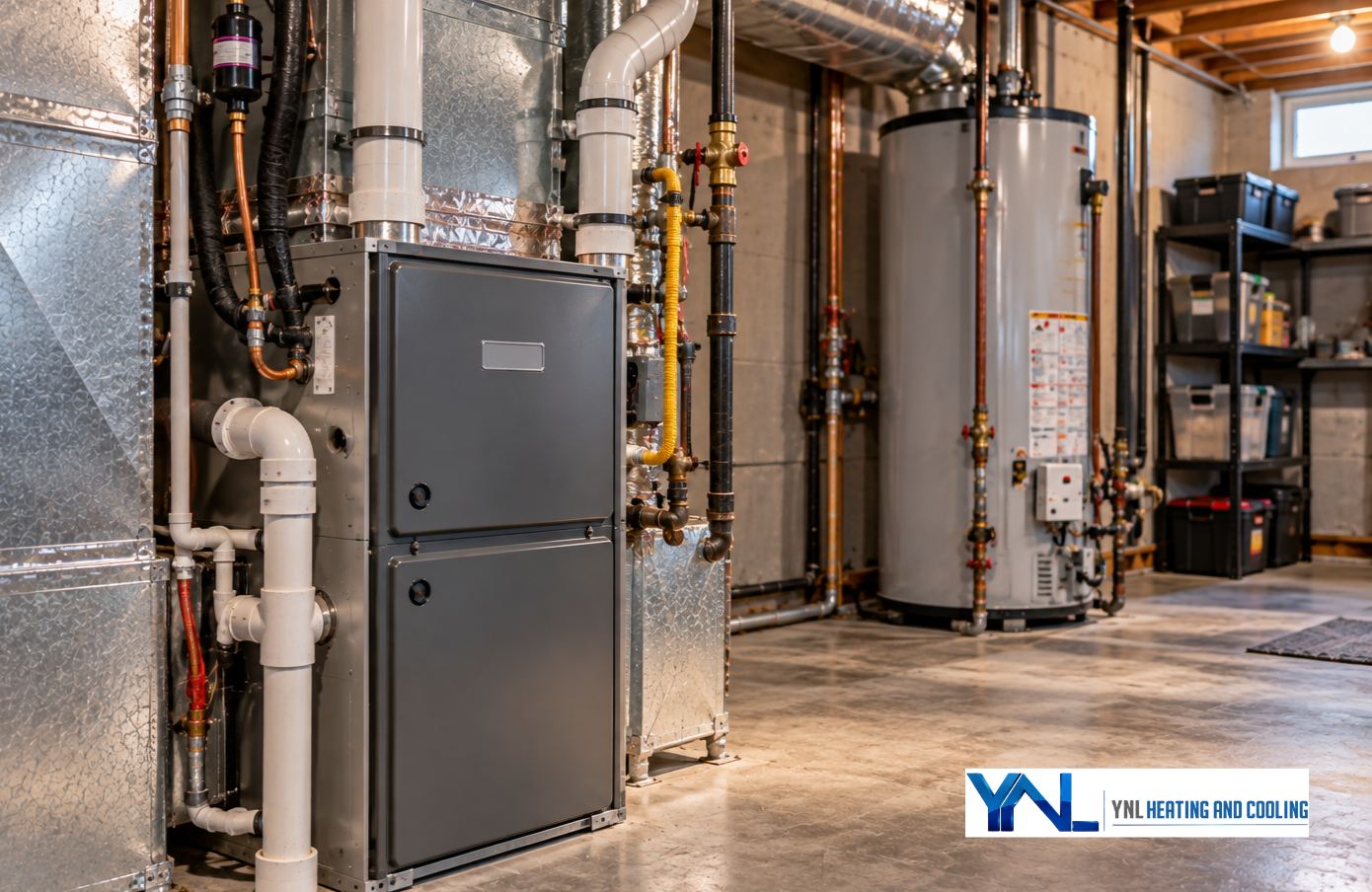
Is Your Furnace Working Overtime?
Have you noticed your heating bills climbing even though you haven't changed your thermostat settings? It might be because your furnace is struggling. When things like dirty filters, leaky ducts, or aging parts come into play, your system has to run longer and harder to keep you warm, which eats up more energy. Often, these problems sneak up slowly but get worse over time, so catching them early is key.
This guide will walk you through why your heating costs might be rising, how to tell if your furnace is inefficient, and what steps you can take before the next cold snap hits. You'll also learn when a simple repair will do and when it might be time to consider residential furnace repair, furnace installation, or routine preventative maintenance. For more on saving energy at home, check out the U.S. Department of Energy's Energy Saver tips.
Why Furnace Efficiency is a Big Deal
Higher Bills Are Just the Tip of the Iceberg
When your furnace loses efficiency, it doesn't usually break down right away. Instead, it might cycle on more often, have a tough time hitting the temperature you want, or heat unevenly from room to room. These extra efforts show up on your bill, often before you notice comfort issues or strange noises.
Energy used for heating is a huge seasonal expense in many homes. Even a small dip in performance can cause noticeable cost increases over a long winter. A system that once worked smoothly might suddenly need longer run times to provide the same level of warmth, which is a sign something needs attention.
How Furnaces Lose Their Mojo
Furnaces age in predictable ways. Heat exchangers wear out, blower motors weaken, and burners gunk up, affecting combustion. Plus, changes in your home like new windows, additions, or insulation issues can make an older furnace work harder than it was designed to.
Aging equipment tends to lose efficiency bit by bit, making it tricky to catch. Many homeowners just get used to the new normal without realizing that their furnace is burning more energy to deliver the same comfort. That's why seasonal inspections are valuable: they can spot small issues before they turn into big ones.
Reasons Your Heating Bill Is Rising
Clogged Filters and Blocked Airflow
One easy reason for higher heating costs is a clogged air filter. If airflow is restricted, the furnace has to work harder to push warm air through your home. That extra effort can reduce comfort, increase run time, and wear parts out faster.
Changing a filter is a low-cost task, but many folks wait too long. If you have pets, allergies, or high dust levels, consider checking filters more often. A clean filter helps your furnace "breathe" properly, boosts circulation, and can make the whole system run better.
Leaky Ducts and Heat Loss
Duct problems can waste a surprising amount of energy. If warm air leaks into attics, crawl spaces, or wall cavities, the furnace has to produce more heat to make up for it. That means longer run times and higher bills, even if the furnace itself is working fine.
The EPA suggests checking duct systems carefully if you notice airflow or indoor air quality issues. Sealing leaks and improving insulation around ducts can help both comfort and energy performance. Sometimes, fixing ducts is just as important as servicing the furnace itself.
Thermostat Issues and Poor Settings
Sometimes, the thermostat is the main culprit. If it's poorly calibrated, installed in a bad spot, or programmed inefficiently, it can cause the system to run more than needed. If your thermostat is near drafts, sunlight, or heat sources, it might send misleading signals to the furnace.
Simple setting changes can make a difference. Constantly raising and lowering the temperature can cause more cycling and less stable comfort. A well-programmed thermostat helps the furnace run more smoothly and efficiently, which often lowers waste.
Old or Failing Furnace Parts
Motors, igniters, flame sensors, and blower assemblies are crucial for efficient operation. When these parts start failing, the furnace might still produce heat, but not as effectively. You might notice longer heating cycles, uneven temperatures, odd noises, or frequent starts and stops.
This is where professional help becomes important. A technician can tell if a part can be repaired or if replacement is a better idea. If you're seeing repeated issues, a call for heating system service can pinpoint why your system is using too much energy.
Signs Your Furnace is Overworked
Uneven Temperatures at Home
If one room is warm while another is chilly, your furnace might be struggling to distribute air evenly. This could be due to blocked airflow, duct issues, or an aging blower motor. It can also mean the system isn't sized or balanced well for the home's layout.
Uneven heating isn't just a comfort issue. It often means your furnace is running longer than necessary to satisfy the thermostat in one area, while other spaces never warm up. That extra run time can add up quickly on your bill.
Short Cycling and Frequent Restarts
Short cycling occurs when the furnace turns on and off too often without completing a full heating cycle. This wastes energy and causes wear, often signaling an issue like overheating, a clogged filter, or a faulty safety control. It can also make your home feel less comfortable because heat doesn't distribute evenly.
Don't ignore repeated restarts. Your furnace is signaling that something isn't working right, and the problem may get more expensive if left unchecked. A technician can check both mechanical and airflow issues to figure out why the system is cycling so much.
Strange Noises, Smells, or More Dust
Odd sounds, burning smells, or more dust than usual may indicate a struggling furnace. Loose parts, dirty burners, and failing belts can all contribute to a system that's overworked. Sometimes, the issue might be similar to what we've discussed in our guide to strange heating noises.
For heating safety, the U.S. Consumer Product Safety Commission provides useful tips on home heating hazards. If a smell or sound is new, severe, or paired with shutdowns, it's best to have your system checked right away.
Lower Heating Costs Without Losing Comfort
Start with Basic Maintenance
Before assuming your furnace needs a major repair, start with simple checks. Replace the filter, verify thermostat settings, and make sure supply and return vents are open and clear. These small steps can improve airflow and help your furnace run with less stress.
Seasonal maintenance is useful because it can uncover hidden issues like worn electrical connections, dirty burners, or weak airflow before they hit your bill. A routine tune-up is often the most cost-effective way to keep heating costs steady.
Improve Your Home's Heat Retention
Even the best furnace can't make up for a home that leaks heat. Weatherstripping, attic insulation, window sealing, and basement air sealing all help keep warm air inside where it belongs. When heat stays in longer, the furnace doesn't have to cycle as much.
Homeowners often find comfort improves after basic air sealing. Rooms feel more balanced, drafts decrease, and the furnace runs less often. That’s great for both energy savings and daily comfort.
Use a Smarter Thermostat Strategy
Consistent settings often work better than dramatic temperature swings. Instead of constantly turning the heat up and down, try maintaining a stable temperature and using scheduled setbacks when the house is empty. Smart thermostats can make this easier by learning your habits and adjusting automatically.
If your home has multiple zones or an odd layout, thermostat placement and programming become even more important. A system that responds to the wrong area of the home may overwork the furnace trying to satisfy the wrong signal.
When to Repair and When to Replace
When a Repair Might Be Enough
Many furnace issues are fixable, especially if the system is in decent shape. A dirty sensor, weak blower capacitor, clogged drain, or damaged igniter might cause higher energy use without needing a full replacement. If your furnace is relatively new and well cared for, a targeted repair can restore efficiency quickly.
Repairs make sense when the problem is clear and easy to diagnose. The goal is to fix the root cause, not just treat symptoms. If the same issue keeps coming back, the furnace might be nearing the end of its useful life.
When Replacement Might Be Smarter
If your furnace is old, needs constant service, or has major parts failing, replacement might be the smarter long-term choice. Older systems often use more fuel, heat unevenly, and require expensive repairs. A newer system can improve efficiency and lower the risk of breakdowns.
When comparing options, age, repair history, and performance all matter. Our guide to knowing when to replace your furnace offers tips on making this decision. If you're already seeing multiple red flags, it might help to consider a modern furnace upgrade.
How to Weigh Repair and Replacement Costs
A good rule of thumb is to weigh the repair cost against the age and condition of the equipment. If a repair is minor and the furnace is running well, fixing it is often reasonable. If the system is older and the repair only solves one issue in a string of problems, replacement might be better.
Consider operating costs, not just upfront costs. A furnace that runs inefficiently can quietly add hundreds of dollars in wasted energy over time. A professional evaluation can help compare both short-term and long-term financial impacts.
Why Regular Maintenance is Worth It
Small Tune-Ups Prevent Big Surprises
Regular maintenance is one of the best ways to cut heating bills and improve reliability. During a service visit, a tech can clean, inspect, test, and adjust key parts so the furnace runs better. This often boosts safety and comfort, too.
For many homes, maintenance also helps the equipment last longer. A well-cared-for furnace usually faces less stress, fewer emergency breakdowns, and better seasonal performance. So, maintenance is really an investment, not just a chore.
Maintenance Supports Better Air Quality
If your furnace is dirty or airflow is weak, dust and debris can easily circulate through your home. Clean filters, components, and balanced airflow support better air quality. This is important for anyone with allergies, pets, or sensitivity to airborne particles.
If you want a bigger seasonal plan, our residential furnace and AC maintenance service can keep both heating and cooling systems ready for changing weather. It's often easier and cheaper to prevent trouble than to fix it during a cold stretch.
Maintenance Can Reveal Hidden Stress
One of the biggest perks of maintenance is spotting early signs of stress, like weak airflow, dirty burners, loose electrical connections, or worn belts, before they become serious. That means fewer emergency calls and more predictable energy costs.
If you're curious about how broader HVAC upgrades might affect your savings, our smart HVAC upgrades guide provides context for planning. Maintenance and upgrades often work best together for steady comfort and lower costs.
What Kildeer Homeowners Should Do Now
Look for Patterns, Not Just One-Time Spikes
A single high bill might be due to a colder month, higher usage, or a temporary issue. But if the bills keep rising, it often points to equipment inefficiency or heat loss. Tracking monthly bills, thermostat settings, and comfort changes can help you spot trends early.
Also, make a note of any unusual furnace behavior, like cycling more often, blowing cooler air, or making new noises. This info helps a technician diagnose faster and recommend the right fix. The more details you can provide, the better the service visit usually goes.
Get a Professional Inspection Before Winter Hits Hard
If your heating costs are climbing, a professional inspection can reveal if the furnace is wasting energy, losing capacity, or struggling with airflow. This inspection might uncover a simple fix or show that the system needs a bigger repair. Either way, you'll know before the problem grows.
For homes needing more than a tune-up, YNL Heating And Cooling offers dependable support in Kildeer with repair, installation, and maintenance options tailored to your home. Homeowners can also check our furnace check-up guide and our Kildeer HVAC service area page for more local info.
Act Fast When Necessary
Don't wait if the furnace starts shutting down, producing burning smells, or having trouble keeping the home warm. These symptoms may indicate safety concerns, major part failure, or severe energy loss. Acting quickly can prevent a breakdown during the coldest part of the season.
Professional help can also cut the guesswork. Instead of replacing parts one by one and hoping the issue disappears, a trained tech can identify the real issue and suggest the most cost-effective solution. This saves time, reduces stress, and usually saves money in the long run.
FAQ About Rising Heating Bills
Why Is My Heating Bill Higher Even Though I Use the Same Settings?
If your settings haven't changed, your furnace or house might be losing efficiency. Common causes include dirty filters, duct leaks, thermostat issues, and aging equipment. Weather changes can also play a role, but ongoing increases usually point to a mechanical or airflow issue.
Can a Dirty Filter Really Make My Furnace Cost More to Run?
Yes. A clogged filter restricts airflow, making the furnace work harder and longer to hit the temperature setting. This extra runtime can increase energy use and put unnecessary stress on the system. It's one of the easiest and most important things to check first.
How Often Should I Schedule Furnace Maintenance?
Most homes benefit from annual maintenance before heating season starts. This timing helps spot worn parts, clean key components, and ensure the system is ready for winter use. If your furnace is older or has had recent issues, more frequent checks might be worth it.
Should I Repair or Replace an Older Furnace?
That depends on age, repair history, energy use, and overall performance. A single minor problem might justify repair, while repeated breakdowns and poor efficiency might suggest replacement. A professional evaluation is the best way to compare the real costs of each option.
Stay Warm Without Wasting Energy
Rising heating bills often mean your furnace is working harder than it should. The good news is many efficiency problems can be spotted early and fixed before they become major expenses. From filters and airflow to ducts, thermostats, and aging parts, the solution often involves small improvements and timely professional care.
If your furnace seems to be overworking, now's the time to act. An inspection can protect your comfort, cut wasted energy, and help your heating system last longer. For reliable service from a local team, contact YNL Heating And Cooling at (847) 613-7397 or check out our heating and maintenance services to stay ahead of the next cold snap.